Looking For a Used Car? 10 Things to Know About Pre-Purchase Inspections
You finally found it. You’ve been scrolling through online listings for weeks, and there it is: the perfect silver SUV, right here in Lakewood. The price seems fair, the interior looks clean in the photos, and the seller says it “runs like a dream.” But as you pull into the parking lot to meet them, that familiar knot starts forming in your stomach.
What if the transmission is on its last leg? What if those "new" tires are actually a decade old? Buying a used car is inherently stressful because you aren’t just buying a vehicle; you’re buying the previous owner’s maintenance habits (or lack thereof). You want to feel excited about your new ride, not anxious about a potential money pit.
This is where a pre purchase inspection lakewood drivers trust becomes your best friend. It’s the ultimate "peace of mind" tool that turns guesswork into data. If you’re in the market for a used vehicle, here are 10 things you absolutely need to know about the inspection process before you hand over your hard-earned cash.
1. What a Pre-Purchase Inspection (PPI) Actually Is
Think of a PPI as a physical for a car. It is a professional, third-party evaluation of a vehicle’s overall condition before you finalize the deal. Unlike a standard state emissions test or a quick oil change check, a comprehensive mobile pre-purchase inspection looks deep into the mechanical, safety, and aesthetic health of the car.
Because the inspector is independent of the seller, you get an objective perspective. A dealership’s "multi-point inspection" is often biased toward making a sale, but an independent ASE Master Technician has one goal: telling you exactly what is wrong with that car.
2. Timing is Everything
The most common mistake buyers make is waiting until after they’ve signed the papers to get an inspection. Once the money changes hands, any "surprises" are officially your problem.
You should schedule the inspection after you’ve seen the car yourself and decided you actually want it, but before you sign a contract or pay a deposit. If a seller is hesitant to let you get a professional opinion, consider that a major red flag and walk away. A confident seller with nothing to hide will welcome an inspection because it validates their asking price.
3. The Convenience of a Mobile Mechanic
In the past, getting a PPI meant coordinating a time to meet the seller, driving the car to a shop, and waiting in a lobby for two hours. It was a logistical nightmare that often led buyers to skip the step entirely.
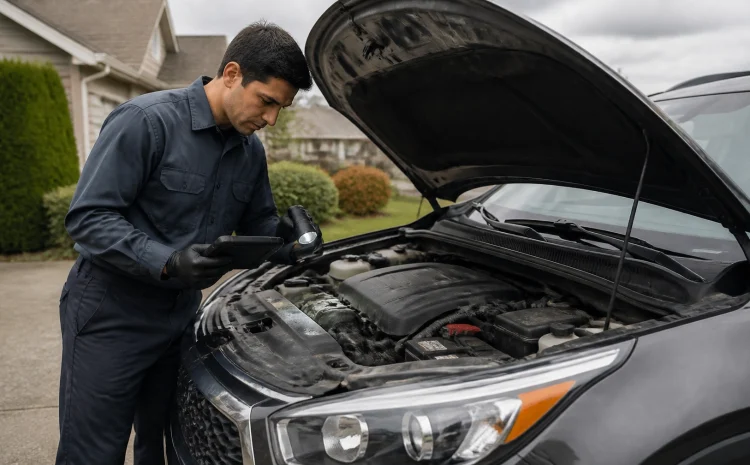
Today, you can utilize a mobile mechanic lakewood wa service that brings the shop to the car. Whether the vehicle is at a private residence near American Lake or a small independent car lot, we come to the location with professional-grade tools. This saves you from having to arrange towing or extra trips, making the entire buying process seamless.
4. What a Thorough Inspection Should Cover
A "quick look" isn't enough. A professional inspection should involve a deep dive into several key areas:
- The Powertrain: Checking the engine, transmission, and drivetrain for leaks, unusual noises, and performance issues.
- Safety Systems: Testing the brakes, airbags, and seat belts.
- The Underside: Looking for frame damage, rust, or hidden fluid leaks that aren't visible from the top.
- Electrical Components: Testing everything from the power windows and AC to the complex computer systems.
- Tires and Suspension: Identifying uneven wear that could point to expensive alignment or suspension problems.
5. Start with Your Own DIY Check
Before you pay for a professional car diagnostic service at home, do your own basic walk-around. This can save you the cost of an inspection if the car is an obvious "lemon."
Check for mismatched paint on the panels (a sign of a previous accident), look for "scalloped" or uneven tire tread, and test every single button inside the cabin. If the AC doesn't blow cold or the check engine light is glowing, you might decide right then and there that the car isn't worth a professional's time.

6. The Importance of the Test Drive
A proper inspection isn't just done while the car is parked. A technician needs to feel how the car handles the road. During a test drive, we listen for clunks over speed bumps, feel for vibrations in the steering wheel at highway speeds, and ensure the transmission shifts smoothly through every gear.
Sometimes, a car looks perfect on a lift but reveals its true colors when the engine is under load or the brakes are applied firmly. We make sure the vehicle doesn't just look good: it performs safely under real-world conditions.
7. Verifying History with the Physical Reality
While reports like Carfax are helpful, they aren't foolproof. They only show what was actually reported to insurance or a shop. A car could have a "clean" title but have been involved in an unreported fender bender that left the frame slightly bent.
Our technicians compare the vehicle's history records with the physical evidence. If the records say the "serpentine belt was replaced last month" but we see a cracked, frayed belt under the hood, it tells you a lot about the seller's honesty.
8. Using the Report as a Negotiation Tool
One of the best parts about getting a professional inspection is the written report. If the inspection finds $800 worth of needed brake work or a leaking radiator, you don't necessarily have to walk away.
Instead, use that information to negotiate. You can ask the seller to lower the price by the cost of the repairs or ask them to have the work completed before you buy. Most of the time, the cost of the inspection pays for itself through the money you save during negotiations.
9. Understanding the Limitations
It’s important to remember that a PPI is a non-invasive, visual, and diagnostic evaluation. We don't take the entire engine apart to look at the pistons. It is a "snapshot in time."
While an ASE Master Technician can identify current leaks and likely future failures, nobody has a crystal ball. A PPI significantly reduces your risk, but it isn't a lifetime warranty. However, knowing that the major systems are currently healthy is the best insurance you can get when buying used.
10. Why ASE Certification Matters
Not all mechanics are created equal. When you’re trusting someone to evaluate a major investment like a car, you want a professional with proven expertise.
At Proformance Complete Auto Care, our ASE Blue Seal accredited shop features ASE Master Technicians. This isn't just a fancy title; it means our team has passed rigorous testing and has years of hands-on experience. We bring dealership-level auto diagnostics directly to you, ensuring that no hidden gremlin goes unnoticed.
Why Proformance Complete Auto Care is Your Best Choice in Lakewood
Since 2018, we’ve built a reputation in the Lakewood community for being the reliable, honest "mechanic on wheels." We understand that your time is valuable, which is why we’ve designed our services to be as convenient as possible.
Whether you're looking at a reliable daily driver or a high-end luxury vehicle, we provide the expert eyes you need. We offer fair and transparent pricing with upfront estimates, so there are never any surprises on your bill.
Ready to take the stress out of your next car purchase? Don't let a "great deal" turn into a nightmare. Let our ASE Master Technicians come to you and give that used car the thorough look it deserves.
Book your mobile pre-purchase inspection today and drive away with confidence!